
For schools
Build the practice into the school.
Training only matters if the practice survives the calendar, the staffing changes, the hard week, and the next school year. We help leaders build the roles, rhythms, learning, and measurement around the work.
What we work on
Four areas, chosen with you.
Most schools start in one of these and pull the others in as the work asks for them. Restorative practice is one capability here, used where it fits.
The thesis
A one-day professional development fails when nothing in the school's structure carries it after the day ends. No owner, no rhythm, no place in the policy, no time on the calendar. We build the part that carries it.
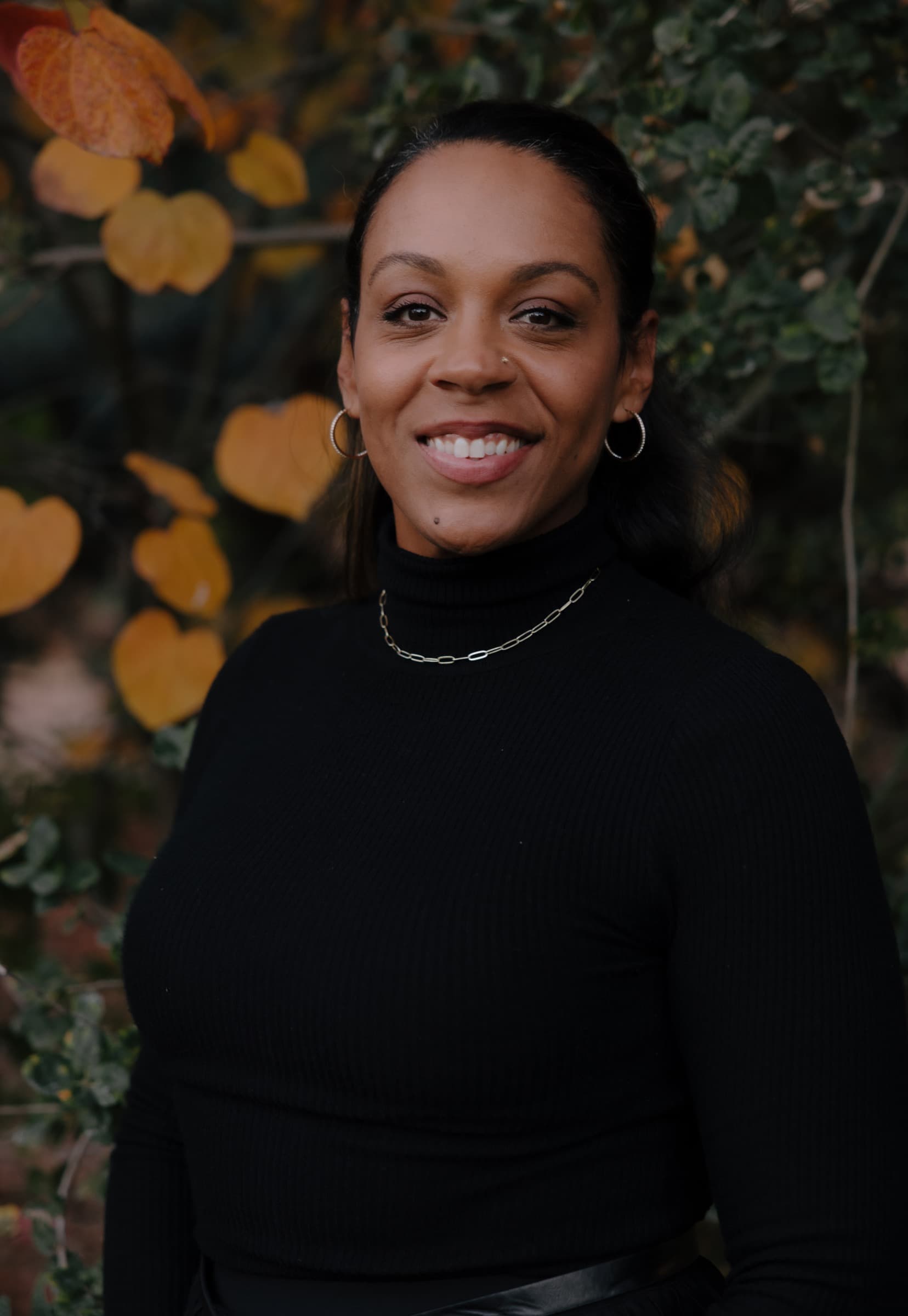
Who leads this
Dr. Kendra Sobomehin.
Kendra holds a PhD in education from Stanford and spent six years forming aspiring teachers through the Stanford Teacher Education Program. Her lane is learning, formation, pedagogy, measurement, and evaluation.
What a school gets from that: professional learning designed for adults who are already tired, an implementation plan that names owners, and a way to see whether the practice is holding by March.
More about the practiceMeasurement
Know whether it is holding.
Schools rarely lack conviction. What is usually missing is a straight answer about whether the practice is alive in October and in March. We design the indicators, the collection, and the reporting rhythm around what your staff can sustain.
Kept practical. No research apparatus a school cannot maintain once we leave.
Designed with the school. Kept to what staff can sustain.
Many schools and youth programs are nonprofits, and the fundraising, finance, and operations build applies the same way.
See the nonprofit workHave something you're trying to figure out?
Tell us what isn't working. A few sentences is enough. We read every note ourselves and reply with what we'd do next.